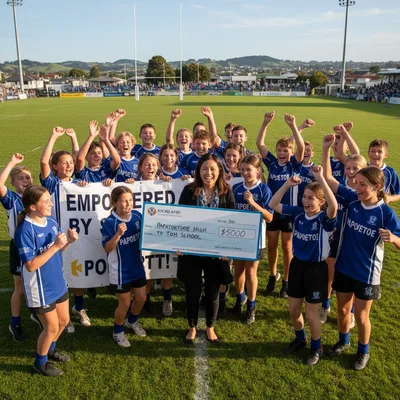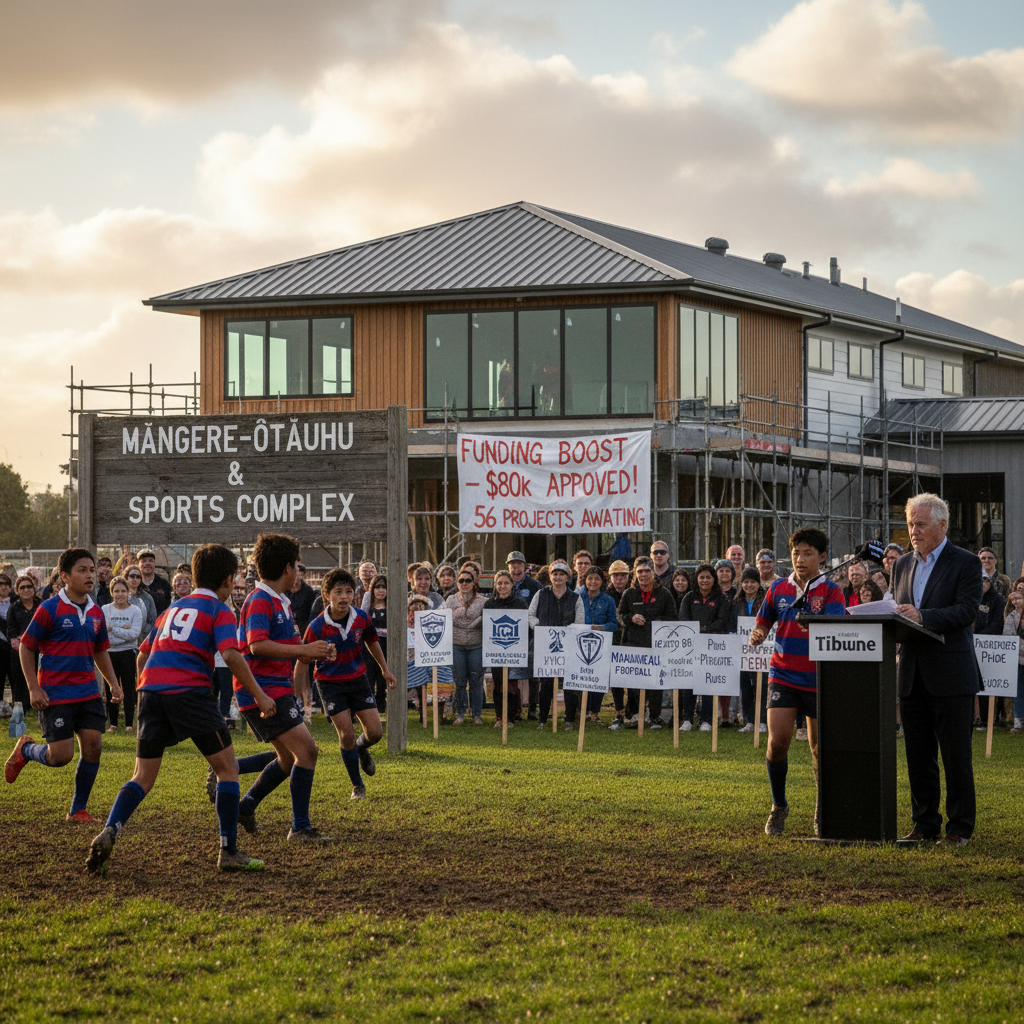
A handful of South Auckland sports clubs have received a vital funding injection, with the Māngere-Ōtāhuhu Local Board allocating $80,000 towards urgent facility upgrades. However, the boost addresses only a fraction of the widespread need, leaving dozens of other community organisations waiting for essential investment.
The funds, approved from the board’s Sport and Active Recreation Facilities Plan, will be distributed among five clubs to cover costs ranging from roof repairs to feasibility studies for major new developments. While the investment provides welcome relief for the recipients, it highlights the growing gap between available funding and the demands of a rapidly expanding community.
More than 50 other projects remain on the unfunded list, underscoring the pressure on grassroots sporting infrastructure across the region. Many of these clubs serve large Māori and Pacific communities, providing crucial outlets for youth and fostering community connection with limited resources.
Who got the funding?
The largest share of the funding, $32,000, will go to the Māngere-Ōtāhuhu Netball Centre for crucial roof repairs and a new sound system. The Portage Crossing Canoe Club receives $30,000 for a feasibility study to explore a new clubroom and storage space, a critical first step in securing larger-scale investment.
Manukau Rovers Rugby Football Club has been allocated $11,700 for design work and the installation of a new accessibility ramp, improving access for all members of their community. Smaller but equally important grants include $3,800 for a new roller door at Manukau City Association Football Club and $2,500 for a commercial oven replacement at the Ōtāhuhu Railway Bowling Club.
Auckland Council's Sport and Recreation Lead, Barry George, said the funding helps clubs avoid passing costs on to their members. “The funding allows them to upkeep and maintain their facilities which they don’t have ready money available for and it means they’re not having to put their fees up and hurt the community,” he says.
A drop in the ocean
The five successful projects were selected from a comprehensive plan that identifies 56 potential upgrades and developments across Māngere-Ōtāhuhu. Of these, 39 are community-led proposals that remain on a waiting list for future funding cycles. This disparity highlights the immense challenge local boards face in meeting community expectations with limited budgets.
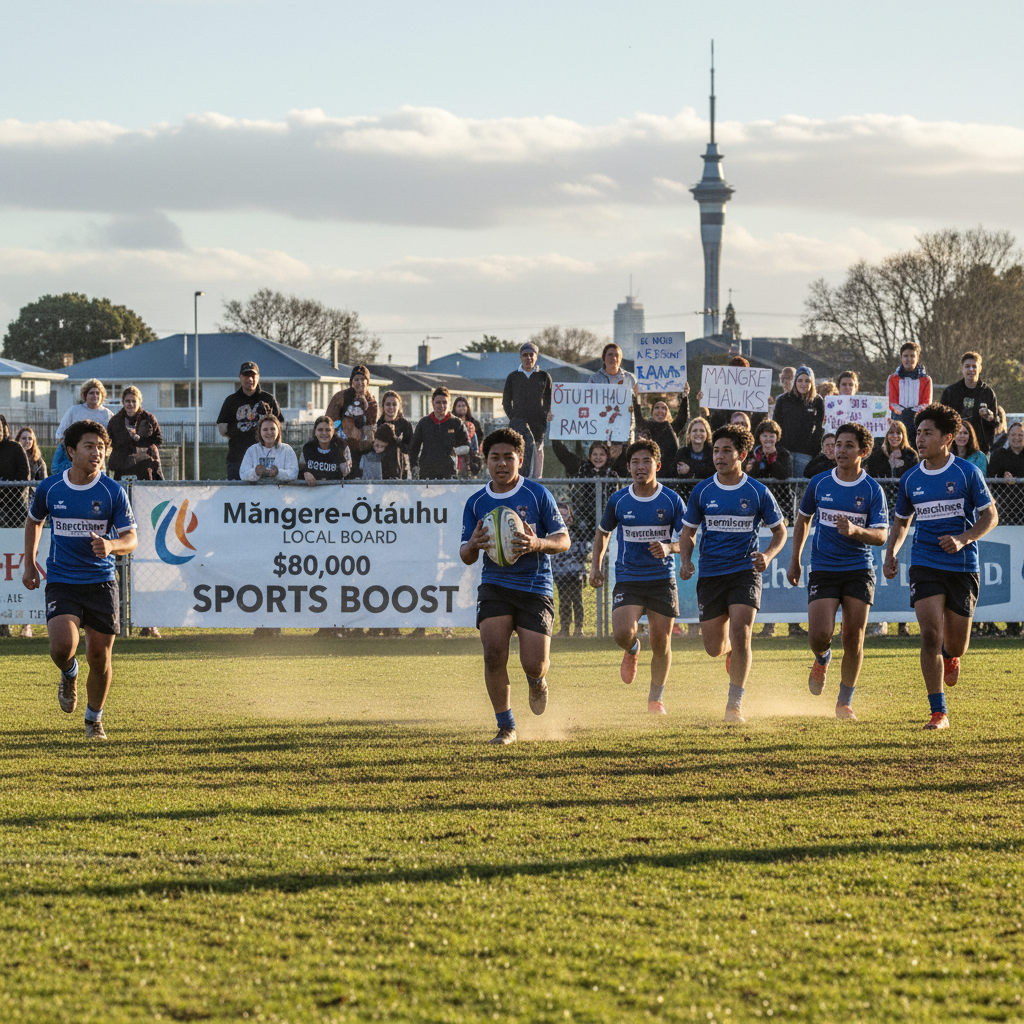
The suburb of Ōtāhuhu and the wider Māngere area have a combined population of over 16,000 residents and are part of Auckland's fast-growing southern corridor. This growth places increasing strain on public amenities, particularly parks, clubrooms, and sports grounds that are often decades old and in need of modernisation.
Pippa Sommerville, Auckland Council’s Head of Play, Sport and Recreation, said projects are prioritised based on a range of factors including equity, sustainability, and deliverability. She confirmed the local board makes the final decision on allocations, and the list is reviewed annually as projects are completed and new needs emerge. This system, while structured, often means clubs face long waits for even basic improvements.
For many clubs, inclusion on the list is just the first hurdle. The smaller grants for planning and feasibility studies are designed to act as seed funding. They enable organisations to develop professional proposals, which are essential for attracting significant investment from larger pots of money, such as national grants from organisations like Sport New Zealand or charitable trusts.
Future investment a priority
The complex funding landscape for community facilities is a challenge recognised by local leadership. While major venues like Eden Park are undergoing significant changes with Auckland Cricket and Rugby seeking new homes, grassroots clubs are fighting for basic maintenance funding.
This focus on community infrastructure is not unique to Auckland, with cities across Australasia grappling with how to fund public amenities. In Australia, for example, the City of Melbourne is investing heavily in its cultural calendar, including the upcoming Melbourne International Jazz Festival, demonstrating a different approach to community investment.
Local Board Chair Kaea Walter Inoke-Togiamua acknowledged the significant need for further investment in Māngere-Ōtāhuhu's sporting facilities. He says the board is committed to championing local clubs and securing more funding in the future to ensure facilities can keep pace with community demand.
The Māngere-Ōtāhuhu Local Board wants our communities and clubs to have access to quality sporting facilities, and we know more investment is needed in the area. We have to work within available budgets, but we’re committed to doing what we can through the next budget to continue to support our local clubs.
With South Auckland’s population set to continue its upward trend, the pressure on local grounds and clubrooms will only intensify. While the latest funding round provides a welcome boost for five clubs, the long-term solution to the area's infrastructure deficit remains a work in progress.