Overview
Maungawhau / Mount Eden is the highest natural point in Tāmaki Makaurau, standing proud at 196 metres.
This dormant scoria cone volcano offers some of the most spectacular 360-degree views across the Auckland isthmus, from the Waitematā Harbour to the Manukau Harbour and out to the Waitākere Ranges.
Its Māori name, Maungawhau, translates to "mountain of the whau tree" (Entelea arborescens), a native species that once flourished on its slopes.
As the highest of Auckland's Tūpuna Maunga (ancestral mountains), it holds deep spiritual and cultural significance for the local iwi (tribes).
It was once the site of a vast and important pā (fortified village), and the terracing and pits from this time are still clearly visible today.
For visitors, it's a place of quiet reflection, incredible scenery, and a direct connection to the region's geological and human history.
It’s a must-visit for locals and tourists alike, perfect for a short walk, a family outing, or a sunset photography session.
What to See & Do
The main attraction of a visit to Maungawhau is the journey to the tihi (summit) and the breathtaking views from the top. However, there are several key features to experience.
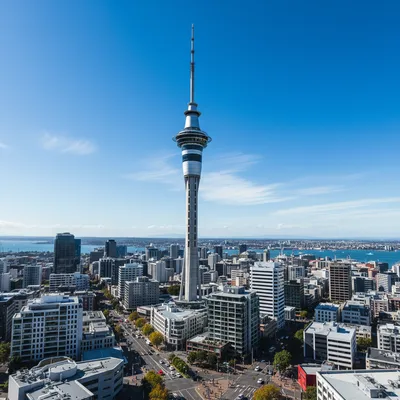
- The Summit & 360-Degree Views: The primary reason to visit is the panoramic vista. From the summit, you can see the Sky Tower piercing the city skyline, Rangitoto Island guarding the Hauraki Gulf, the distant Waitākere Ranges, and the intricate web of Auckland's harbours and suburbs. It provides a unique geographic perspective of the entire city.
- Te Ipu-a-Mataaho (The Crater): The volcano is crowned by a perfectly formed crater, 50 metres deep. This area is considered wāhi tapu (sacred) and is named after Mataaho, the deity said to reside within, who holds dominion over earthquakes and volcanic forces. Visitors are asked not to enter the crater out of respect.
- Summit Boardwalk: An award-winning boardwalk encircles the crater rim. This structure was carefully designed to protect the sensitive archaeological features of the maunga from foot traffic while providing visitors with the best possible views and interpretive information.
- Te Ipu Kōrero o Maungawhau Visitor Centre: Located near the lower car park, this state-of-the-art visitor centre offers interactive displays and digital stories that bring the geological and cultural history of the maunga to life. It's the perfect place to start your visit to gain a deeper understanding of what makes this place so special.
- Photography: Maungawhau is a photographer's dream. The best shots are typically at sunrise or sunset when the light is soft and golden, casting long shadows across the city. The summit offers a perfect vantage point for capturing the full cityscape.
Facilities & Amenities
Maungawhau / Mount Eden is well-equipped with essential visitor facilities, primarily clustered at the base near the main entrance.
- Toilets: Public toilets are available near the café and visitor centre.
- Café: The Whau Cafe offers a great selection of coffee, cabinet food, and snacks—perfect for a post-walk refreshment.
- Visitor Centre: Te Ipu Kōrero o Maungawhau provides information and historical context.
- Playground: A children's playground is located at the base of the mountain, making it a great spot for families.
- Seating & Picnic Areas: While there are no formal BBQ facilities, you'll find benches and grassy areas perfect for a picnic.
- Shade: Mature trees at the base of the maunga provide ample shade on sunny days.
Getting There
Maungawhau / Mount Eden is centrally located and easily accessible from Auckland's city centre.
- Address: 250 Mount Eden Road, Mount Eden, Auckland 1024.
- Parking: There are two free visitor car parks at the base of the maunga, with the main one located off Puhi Huia Road. Street parking is also available on surrounding roads but can be limited, especially on weekends. Note that public vehicle access to the summit road is permanently closed to protect the environment.
- Public Transport: The area is well-serviced by public transport. Buses, including the 27H and 27W routes, stop frequently along Mount Eden Road. The Maungawhau railway station is also just over a kilometre away, making it an easy 15-minute walk.
- Walking: From the CBD, it's a pleasant walk of around 45-60 minutes.
Best Time to Visit
Maungawhau / Mount Eden is a stunning year-round destination, but the best time to visit depends on what you're hoping to experience.
- Time of Day: Sunrise and sunset are undeniably the most magical times to be at the summit. The soft light creates a spectacular visual display over the city. For a quieter experience with fewer people, an early morning visit on a weekday is ideal.
- Season: Summer (December-February) offers long evenings and pleasant weather, with the maunga open until 8:30 pm. Winter (June-August) can provide crisp, clear days with incredible visibility, though it's essential to dress warmly as the summit is exposed and can be windy.
- Crowds: Weekends and public holidays are the busiest times. If you prefer to avoid crowds, aim for a weekday visit.
History & Significance
Maungawhau is a place of immense historical and cultural importance.
For centuries, it was a major pā (fortified village) for the Waiohua iwi, who expertly engineered its slopes into extensive terraces (rua) for housing, agriculture (especially kūmara or sweet potato), and defence.
The maunga's strategic high point provided commanding views over the entire isthmus.
Geologically, Maungawhau is a scoria cone and one of the most prominent features of the Auckland Volcanic Field. Its last eruption occurred approximately 28,000 years ago, creating the deep crater and shaping the surrounding landscape.
Today, the maunga is protected and co-governed by the Tūpuna Maunga Authority, a partnership between Ngā Mana Whenua o Tāmaki Makaurau (the 13 iwi/hapū of Auckland) and Auckland Council.
This landmark co-governance model ensures that the maunga is managed with its cultural and spiritual values at the forefront, protecting it for future generations. The entire site is a wāhi tapu, a sacred place, demanding respect from all who visit.
Walks & Trails
The main activity on Maungawhau is the walk to the summit. The paths are well-maintained, but the incline is steady and requires a moderate level of fitness.
- Puhi Huia Road to Summit: This is the most popular route. Starting from the lower car park, a sealed walkway leads you on a steady 15-20 minute climb to the top. While relatively short, it is steep in sections. The path is wide and suitable for most walkers.
- Crater Rim Boardwalk: Once at the top, the journey continues on the wooden boardwalk that loops around the sacred crater. This section involves some stairs but offers constantly changing perspectives of the crater and the city beyond. The full loop on the boardwalk takes around 15-20 minutes.
The overall walk from the car park, up to the summit, around the crater, and back down typically takes 45-60 minutes at a leisurely pace.
Visitor Tips
- Respect the Maunga: This is a sacred ancestral mountain. Please stay on the designated paths and boardwalks, do not walk on the grassed terraces, and never enter the crater.
- Wear Comfortable Shoes: The walk to the summit is steep. Sturdy, comfortable footwear is highly recommended.
- No Drones: Flying drones is prohibited on all Tūpuna Maunga to protect the sites and respect their cultural significance.
- Dog Policy: Dogs are welcome but must be kept on a leash at all times.
- Accessibility: While the lower paths are sealed, the steep gradient and stairs on the summit boardwalk make full wheelchair access challenging.
- Check the Weather: The summit is exposed to the elements. It can be very windy and cold, even on a fine day. Bringing an extra layer or a windproof jacket is a good idea.
- Explore the Village: After your walk, head down to Mount Eden Village, a charming neighbourhood hub with excellent cafés, restaurants, and boutique shops.