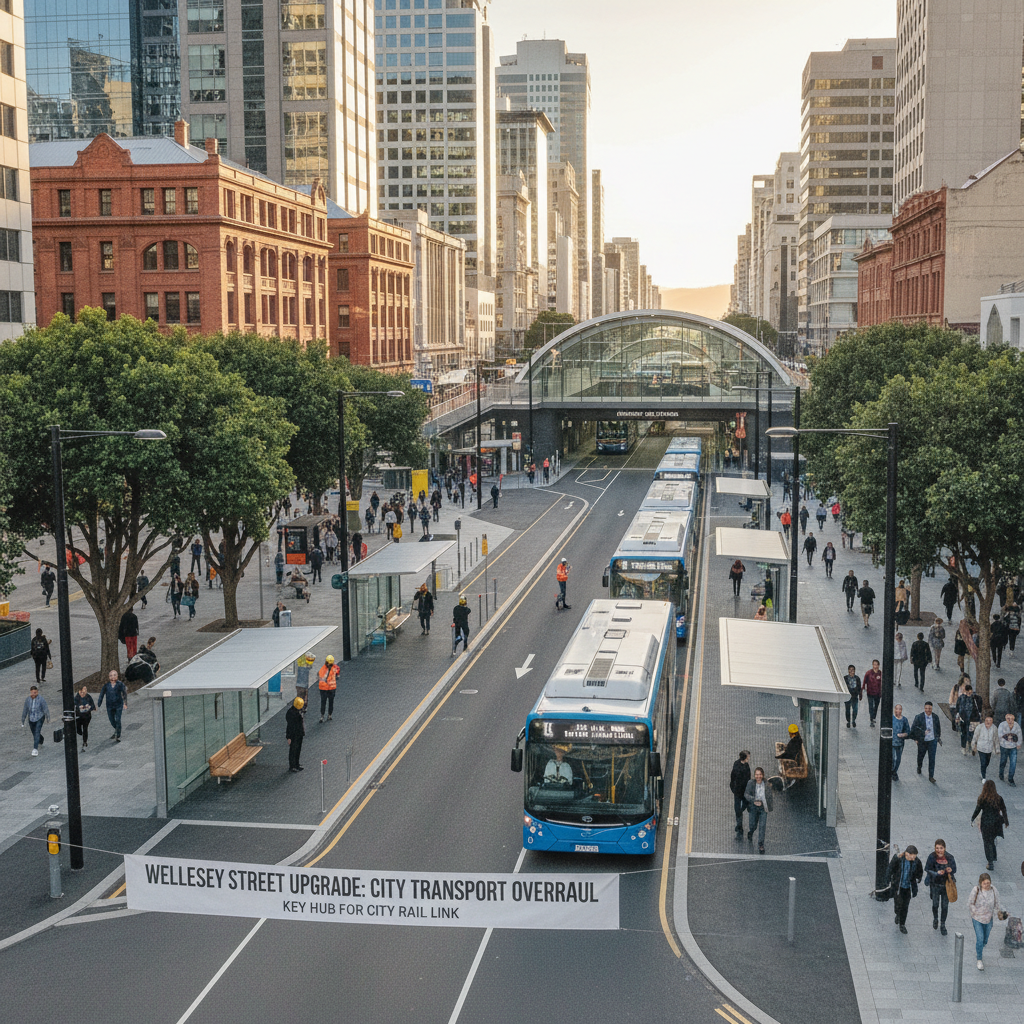
The first stage of a major upgrade to one of Auckland’s key thoroughfares is complete, with Wellesley Street officially reopening to buses after a dawn blessing ceremony.
Ngāti Whātua Ōrākei and Ngāti Tamaoho led the ceremony on Sunday, marking the culmination of a project designed to transform the street into a bustling transport hub. The completion of this initial phase, covering the area between Albert and Queen Streets, is a critical step in preparing the city centre for the opening of the City Rail Link's Te Waihorotiu Station.
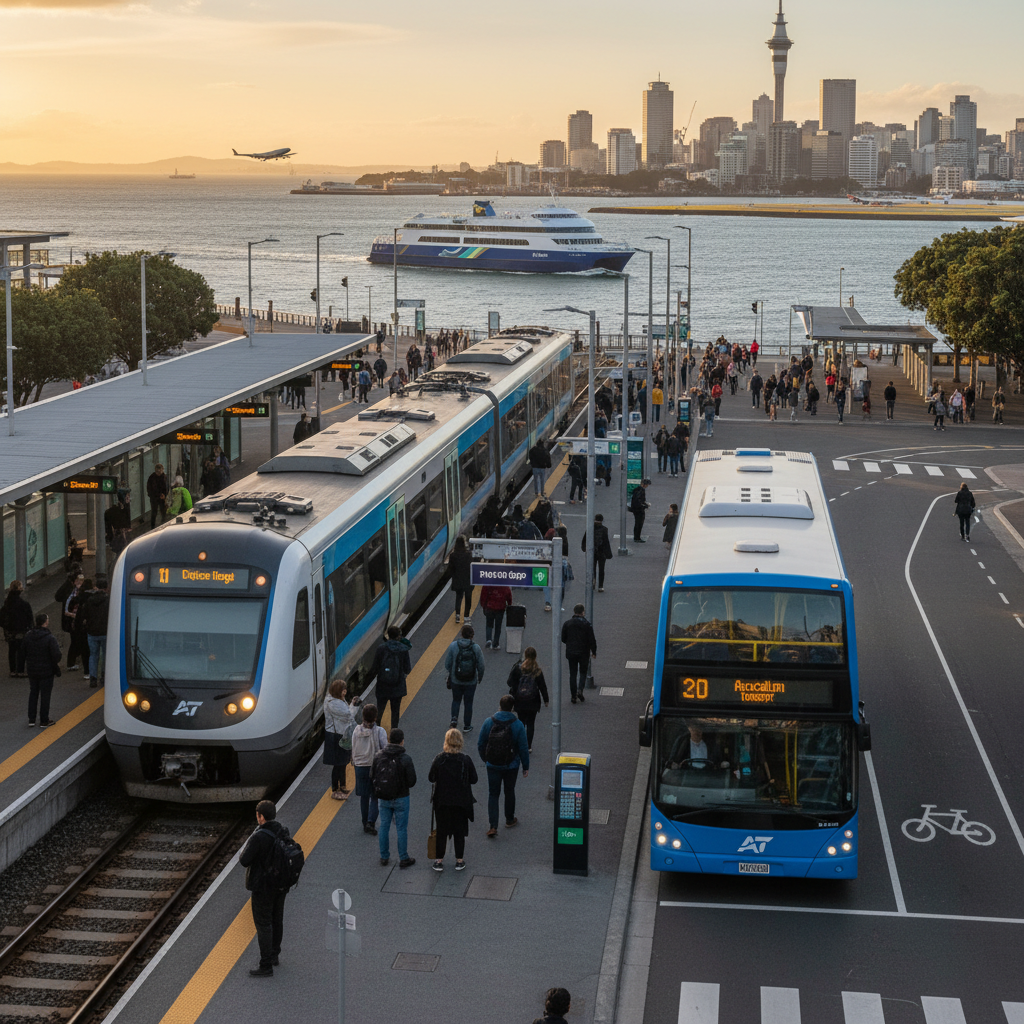
Wellesley Street is set to become one of the city's most important transport corridors, connecting high-frequency bus routes with the new underground train station and improved walking and cycling paths. The street already serves major destinations like university campuses, the Aotea Centre, and the New Zealand International Convention Centre. With thousands of commuters expected to use Te Waihorotiu Station daily, the number of buses using the street is projected to climb from 1,300 to 2,200 per day by 2032.
A focus on people and public transport
Auckland Transport's Head of Public Transport Services Planning & Development, Pete Moth, says the project is about creating a better experience for everyone, not just improving traffic flow.
The upgrades in the newly opened section include wider footpaths, new high-quality bus shelters, improved pedestrian crossings, new paving, public seating, and street lighting. These changes aim to create a safer, more accessible, and welcoming environment. Beneath the surface, the project also involved significant infrastructure work, including the installation of new powerlines for future developments and the upgrade of 150-year-old water systems, ensuring the area is future-proofed for decades to come.
Mana whenua designs enrich streetscape
The new streetscape features significant artistic designs by mana whenua artists Graham Tipene (Ngāti Whātua, Ngāti Kahu, Ngāti Hine, Ngāti Haua, Ngāti Manu) and Ted Ngatakai (Ngāti Tamaoho), which are integrated into the bus shelters and pavement.
At the blessing ceremony, Mr Ngatakai explained his design represents māngai and kaitiaki (spokespeople and guardians). Mr Tipene shared that his work was inspired by Te Taiao (the natural world), symbolising the water from the historic Te Waihorotiu stream, which still flows beneath the street and new station, making its way to the Waitematā Harbour.
Midtown traffic changes now in effect
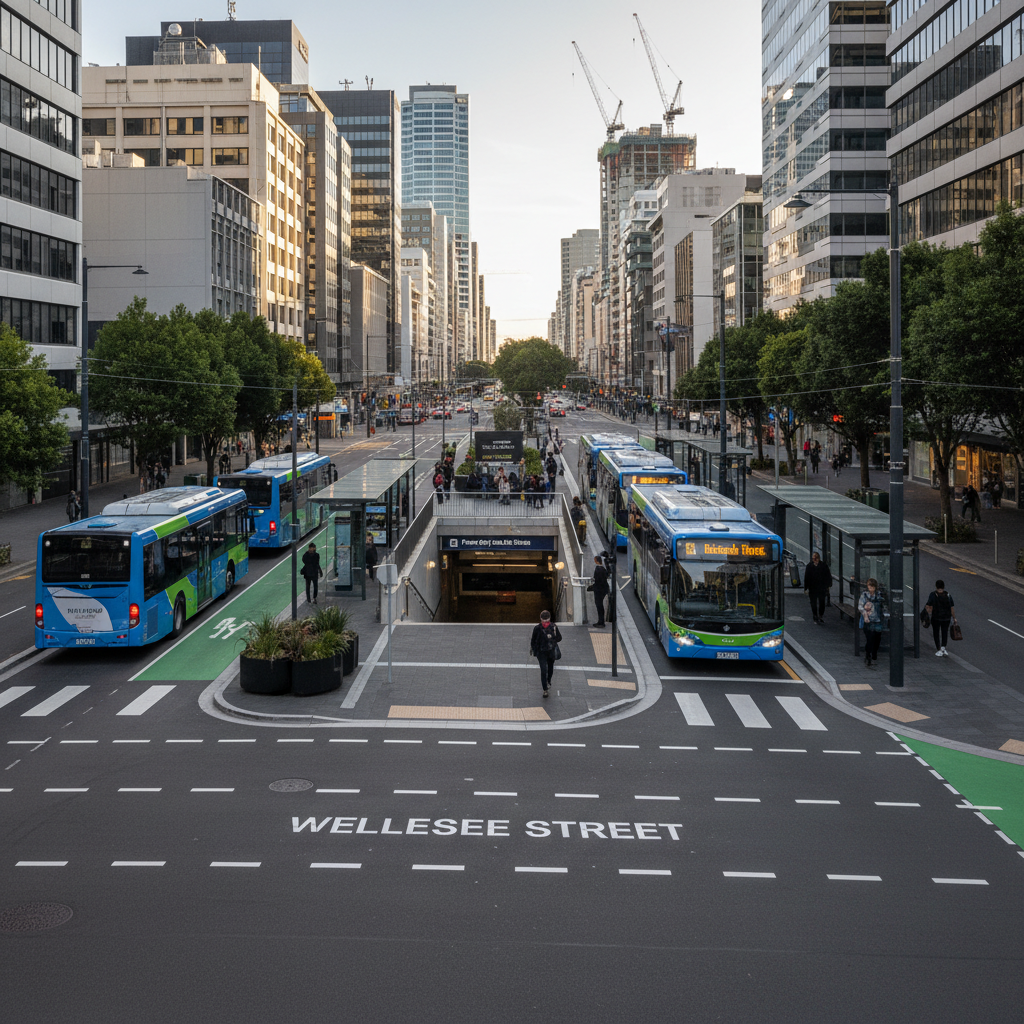
Alongside the reopening, several changes to traffic circulation in the midtown area came into effect from 19 April to prioritise bus movements and pedestrian safety.
- A bus-only section is now active on Wellesley Street between Elliott and Queen Streets from 7am to 7pm daily to manage the more than 120 buses expected per hour during peak times. General through traffic is also limited between Albert and Queen Streets.
- Access to public carparks and loading zones on Elliott Street via Wellesley Street remains. Loading zone hours on Elliott and Darby Streets have reverted to 6am-11am.
- Mayoral Drive North has reopened to general traffic, restoring all movements to and from Wellesley Street.
- On Queen Street, the lane between Wakefield and Wellesley Streets will operate as a Goods Vehicles and Bus Lane from 7am-7pm. Total Mobility registered vehicles are now permitted to use this lane to access mobility parking, improving accessibility in the city core.
AT Ambassadors will be present on the street for several days to help commuters navigate the new bus stop locations. For a detailed overview of public transport options, see the ultimate guide to Auckland public transport.
Stage two and the road ahead
This is just the first step in a much larger plan for the entire 2.2km Wellesley Street corridor. Community engagement is now underway for the second stage, which will focus on the section between Albert Street and Victoria Park.
Proposed improvements for this next phase include extending bus lanes, consolidating bus stops into modern, sheltered hubs, and reconstructing the road to support the weight of heavier double-decker buses while minimising noise and vibration. The plans also involve extending the bus layover on Beaumont Street and adding a signalised pedestrian crossing to improve safety near Victoria Park. The long-term vision includes continuous bus priority lanes from Victoria Park to Princes Street, raised safety platforms at side street crossings, and more street greening and planting. These changes are part of a wider city strategy, similar to transport spending pushes in other major hubs like Kaimai Express sells out highlighting demand, which aim to modernise urban infrastructure.
A blueprint for a people-focused city
The Wellesley Street project is a key component of the Auckland Council's City Centre Masterplan (CCMP), a 20-year vision for a greener, better-connected, and more people-focused CBD. A central concept of the masterplan is 'Access for Everyone' (A4E), which aims to make the best use of the city's compact space by creating coordinated networks for pedestrians, cyclists, public transport, and private vehicles.
Even with the City Rail Link, buses will remain the primary way most people arrive in the city centre. The City Centre Bus Plan, developed by Auckland Transport, outlines how key corridors like Wellesley, Customs, Symonds, and Albert Streets will feature dedicated priority lanes to ensure reliable and frequent services that connect seamlessly with train stations.
AT has confirmed it will be engaging directly with residents, businesses, and stakeholder groups to inform the final designs for the next stages of the Wellesley Street transformation.