Overview of Auckland Council
Auckland Council, or Te Kaunihera o Tāmaki Makaurau in te reo Māori, is the local government authority for the entire Auckland region. Established on 1 November 2010, it is the largest council in Australasia, serving over 1.7 million Aucklanders.
As a unitary authority, it combines the functions of both a regional and a city council, responsible for everything from local parks and rubbish collection to regional planning and public transport.
The council was formed by amalgamating the previous Auckland Regional Council and seven city and district councils: Auckland City Council, Manukau City Council, North Shore City Council, Waitākere City Council, Franklin District Council, Papakura District Council, and Rodney District Council.
This unification aimed to create a more streamlined and effective governance structure for New Zealand's largest city, managing its significant growth and development under a single strategic vision known as the Auckland Plan.
Council Services & Programmes
Auckland Council delivers a vast array of services essential for the day-to-day lives of its residents and the functioning of the city. These services are designed to ensure Auckland is a safe, healthy, and vibrant place to live. Key services provided by the council include:
- Property Rates and Valuations: Managing the collection of property rates which fund council services, and providing property valuation information for homeowners.
- Rubbish, Recycling and Food Scraps: Operating residential kerbside collections for rubbish, recycling, and food scraps, as well as managing inorganic collections and public recycling centres.
- Building and Resource Consents: Processing and issuing consents for building projects, renovations, and land use to ensure they meet regulatory standards. This includes inspections and guidance on planning zones under the Auckland Unitary Plan.
- Licences and Regulations: Issuing licences and permits for various activities, including food and alcohol sales, events, busking, and managing bylaws related to issues like noise control and signage.
- Parks, Recreation and Community Venues: Maintaining thousands of parks, sports fields, playgrounds, community centres, and swimming pools across the region for public use and hire.
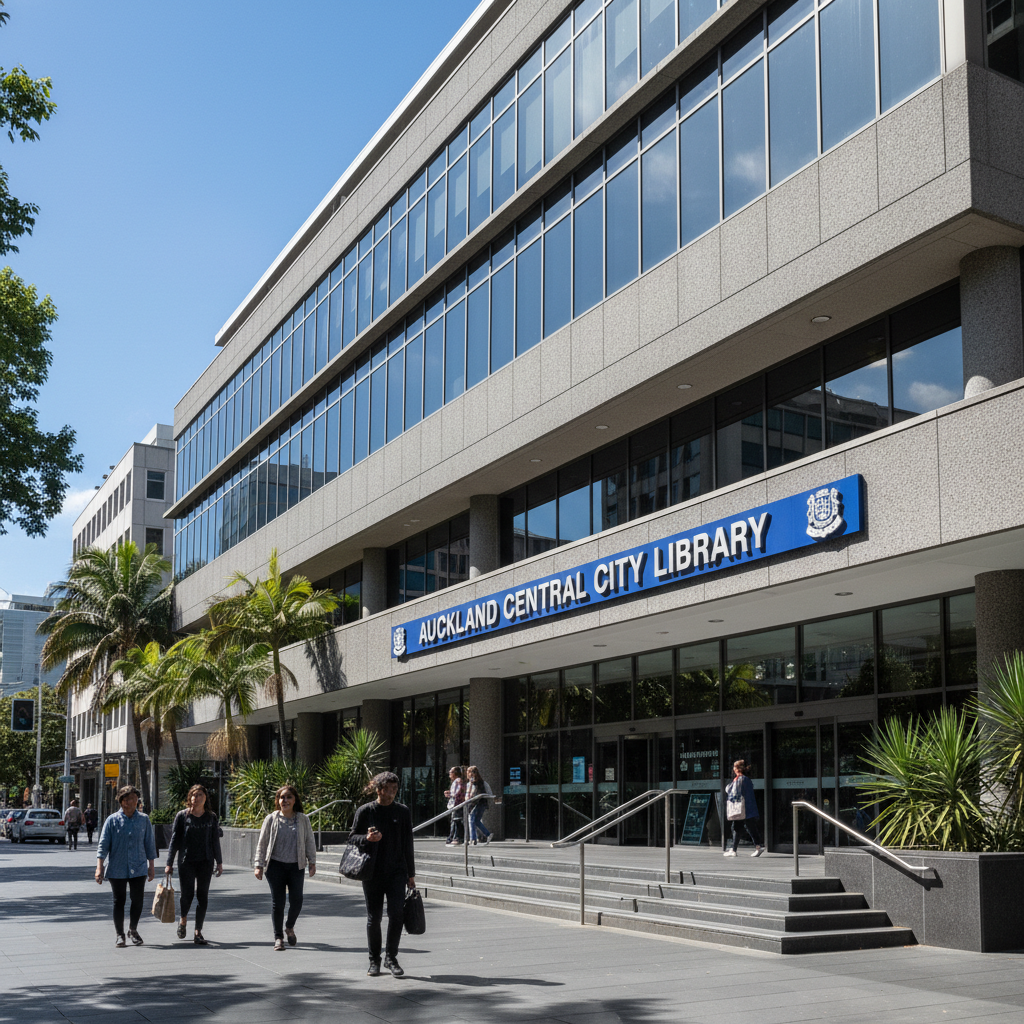
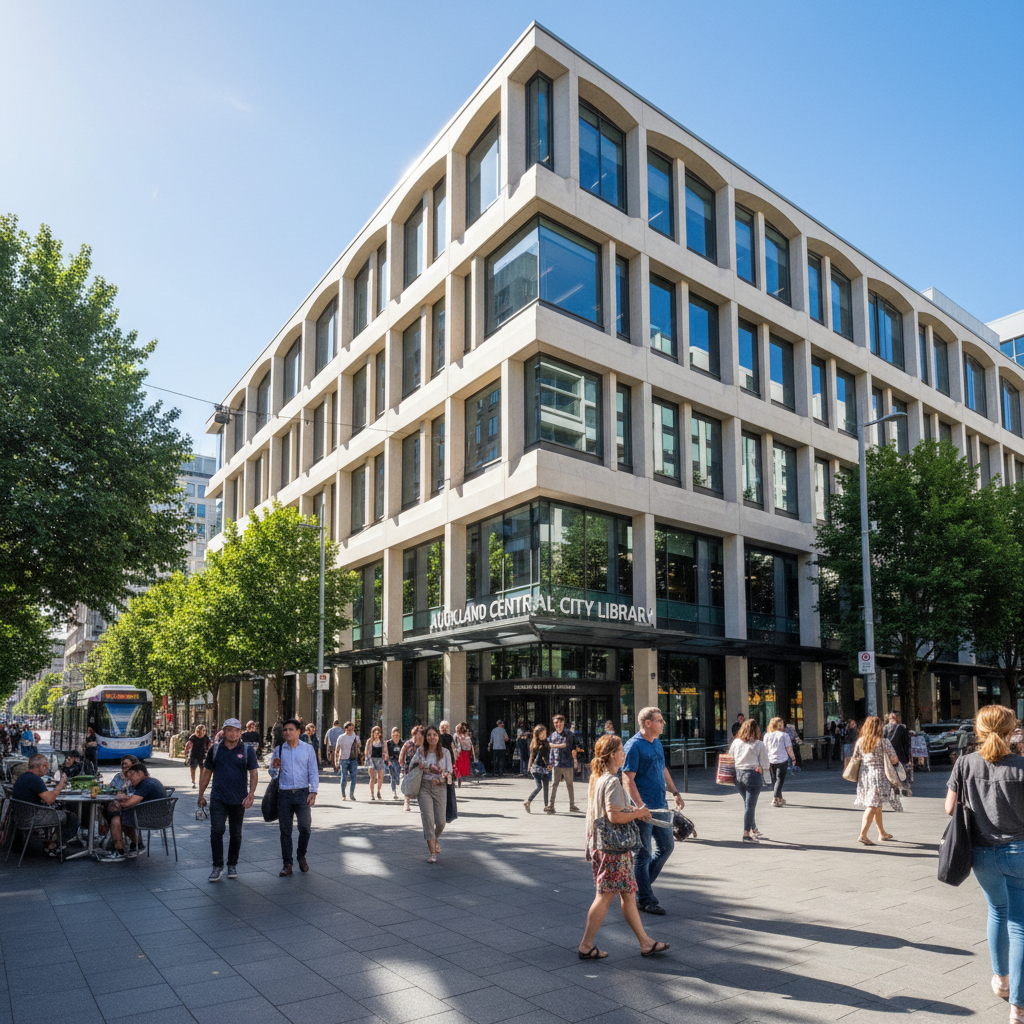
- Libraries and Information: Operating a network of over 55 public libraries offering book lending, digital resources, community programmes, and access to council services.
- Environmental Management: Working to protect and improve Auckland's natural environment, including monitoring air and water quality, managing stormwater, and biosecurity initiatives.
- Animal Management: Providing services for dog registration, adoption, and managing animal-related complaints to ensure public safety.
Getting Involved with Auckland Council
Engaging with Auckland Council is accessible to all residents who wish to have a say in their community's governance or contribute to civic life.
Residents can participate in public consultations on council plans, policies, and the annual budget, providing feedback online or at public meetings.
Council and local board meetings are generally open to the public, offering a direct view of the decision-making process.
For those interested in a career, Auckland Council jobs are regularly advertised on their official website, offering diverse roles across the organisation.
The council is one of the region's largest employers, with opportunities spanning planning, engineering, community services, and administration.
Additionally, numerous volunteering opportunities exist within council-supported programmes and at community facilities like local parks and libraries, providing a chance to give back to the community.
Leadership & Key People
Auckland Council is governed by a mayor, 20 councillors elected from 13 wards, and the members of 21 local boards. The political leadership works with the council's administrative arm to implement policy and manage operations. As of late 2023, the key leadership figures are:
- Mayor: Wayne Brown
- Deputy Mayor: Desley Simpson
- Chief Executive Officer: Phil Wilson
The CEO leads the Executive Leadership Team and is responsible for the day-to-day management of the council's organisation and its staff, ensuring that the decisions of the governing body are carried out efficiently.
Council Meetings & Agendas
The Governing Body and its various committees hold regular meetings to make decisions on Auckland-wide policies and strategic issues.
These meetings are foundational to the council's governance, and the schedule, agendas, and minutes are made publicly available on the Auckland Council website.
This transparency allows residents to stay informed about key decisions affecting the region. Local boards also hold monthly public meetings to address local issues, and residents are encouraged to attend and participate.
Getting There & Contact Information
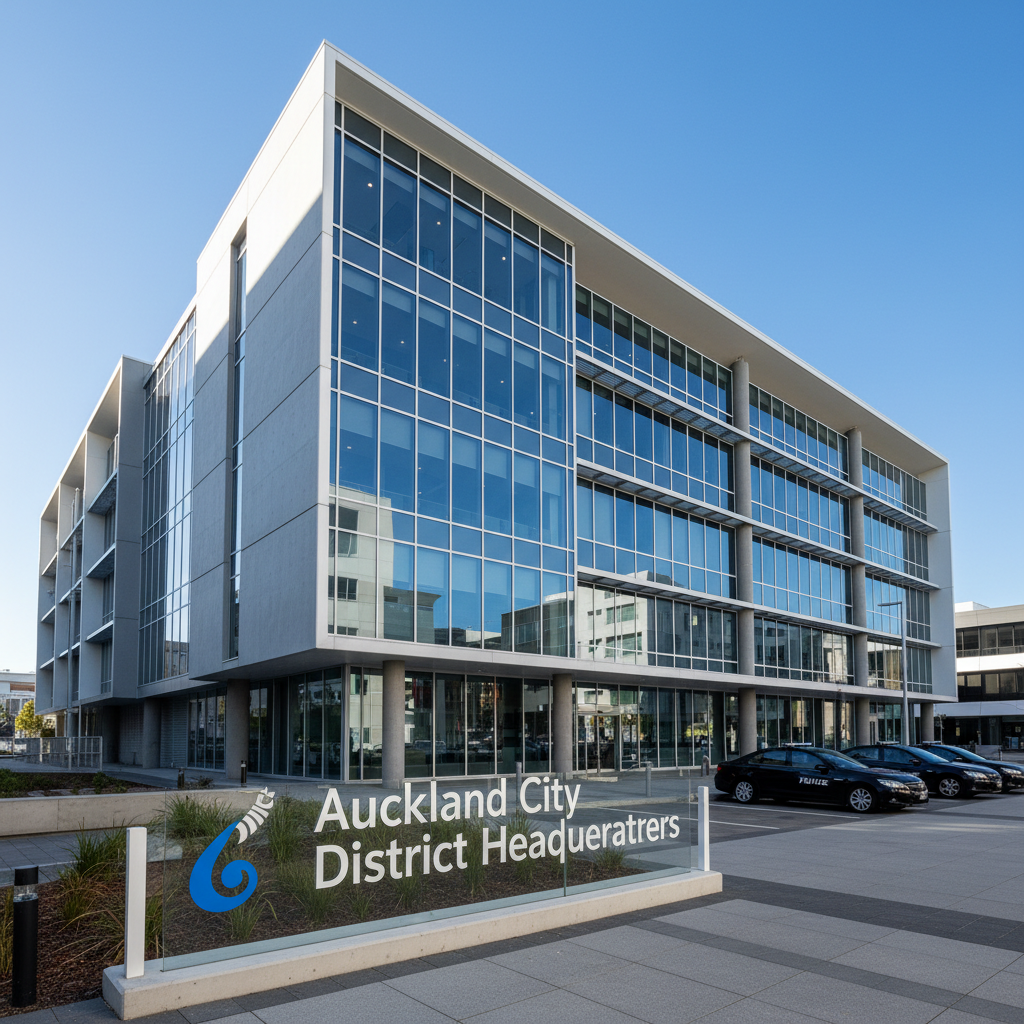
The main administrative office for Auckland Council is located in the Auckland CBD. However, residents can access services at numerous libraries with council services spread across the entire Auckland region.
- Address: 135 Albert Street, Auckland CBD, Auckland 1010.
- Phone: The primary contact number, 09 301 0101, operates 24 hours a day, seven days a week for all enquiries, payments, and to report problems.
- Online: Contact can be made through online forms on the council's official website, www.aucklandcouncil.govt.nz.
- Parking: Paid public parking is available in council-owned and private car parks in the CBD, though spaces can be limited. Using public transport is often the most convenient option for visiting the Albert Street office. Parking at suburban service centres varies by location.
History & Community Impact
Auckland Council's formation in 2010 marked the most significant local government reform in New Zealand's history. It created a single, unified voice for a region previously managed by eight separate councils.
This consolidation was designed to enable integrated planning for infrastructure, housing, and transport to support the rapidly growing population.
The council's primary strategic document, the Auckland Plan, provides a 30-year blueprint for the region's future.
The council manages assets worth tens of billions of dollars and plays a critical role in major infrastructure projects, environmental protection programmes, and the provision of community facilities that shape the lives of all Aucklanders.
Its work is fundamental to the economic, social, and cultural development of the city.