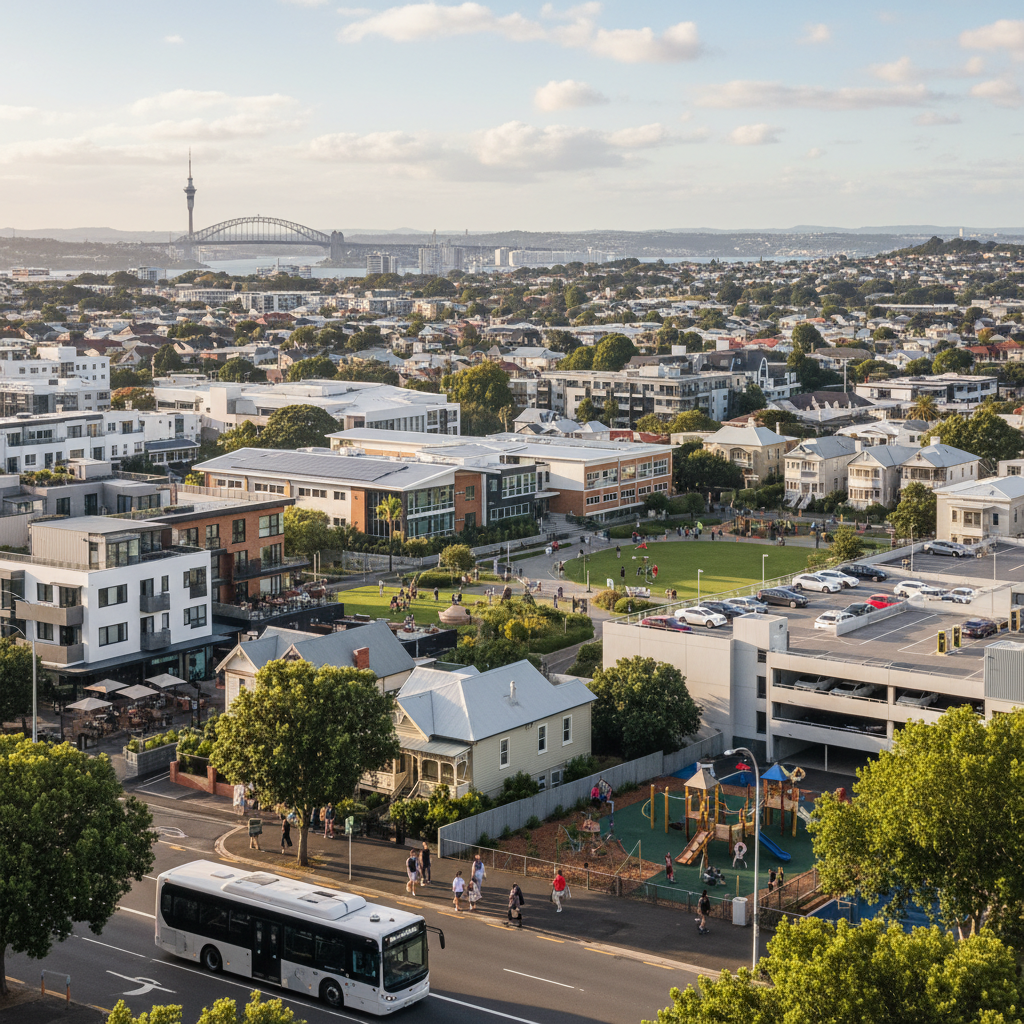
Aucklanders argue about the “best” suburb the way they argue about the best beach: it depends what you want, what you can afford, and how much time you are prepared to spend in traffic. In 2026, that trade-off is sharper than ever. The city’s employment is spread between the CBD, city-fringe, airport precinct, growth hubs like Albany and Westgate, and a long tail of industrial and logistics zones along State Highway 1 and 20. School zoning still shifts house prices, and public transport improvements help in some corridors more than others.
This guide is designed for people making a real decision about where to live. It focuses on the big factors readers search for, safety, schools, amenities, commute, housing stock and the “feel” of each area. It also flags practical checks you should make yourself before signing a lease or an unconditional offer, because every suburb has quiet streets and busy ones, flood-prone pockets and wind-sheltered pockets, and neighbours who love to party.
Where we refer to safety, we are talking about relative risk and day-to-day comfort, not guarantees. The best way to sanity-check a suburb is to visit at different times, talk to locals, and look up recent incidents and hazards for the exact street. For official hazard information, Auckland Council’s GeoMaps tool is a must-use for flood plains, overland flow paths and coastal inundation overlays.
We also strongly recommend you read our Auckland school guide: zones, deciles and top-rated schools (2026) to understand zoning, enrolment schemes and how quickly boundaries can change. If your shortlist is driven by schooling, confirm the address is in-zone in writing with the school, before you commit.
How to choose a suburb in Auckland (schools, safety, commute and lifestyle)
Start with three non-negotiables, then work outward. For most households, the non-negotiables are (1) a realistic door-to-door commute, (2) school or childcare access, and (3) budget, including rates, insurance and transport. Everything else is a trade.
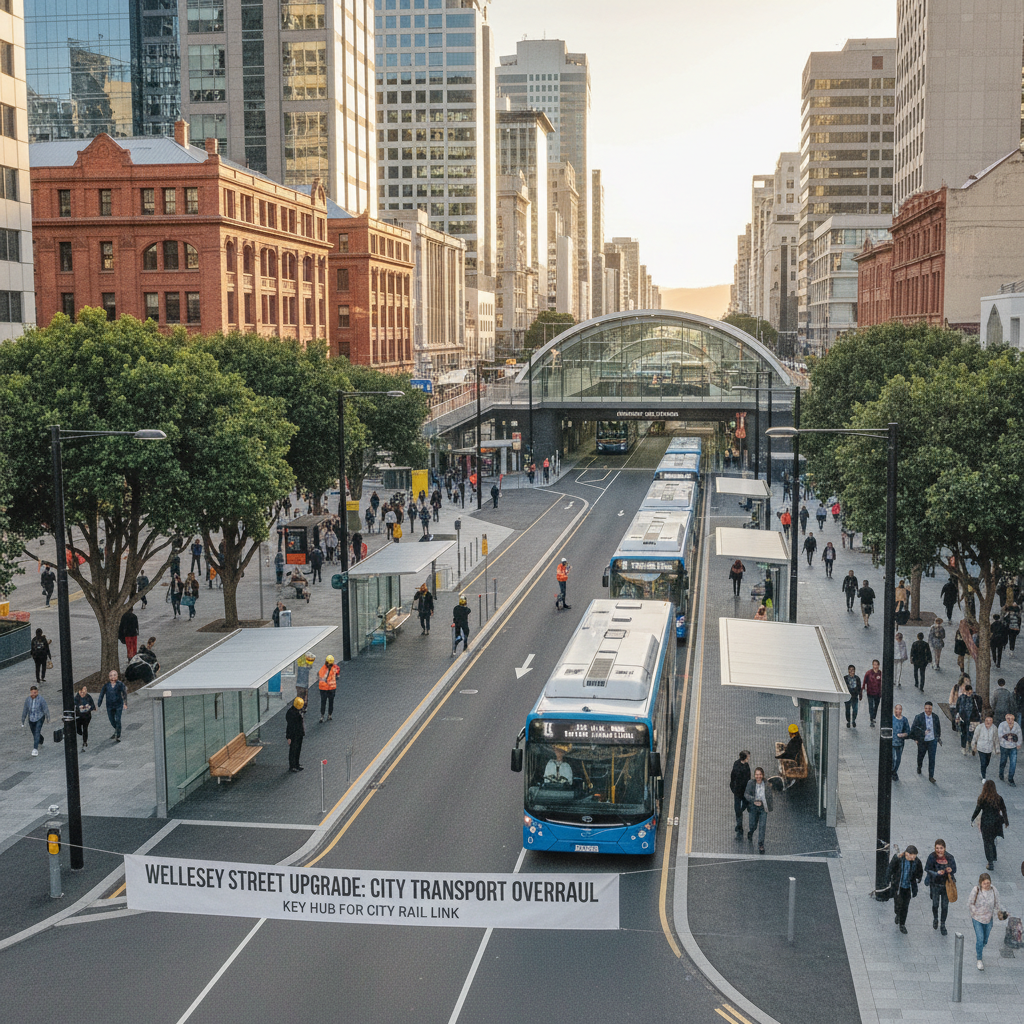
- Commute: Auckland’s “as the crow flies” distance is meaningless. A five-kilometre trip can be 20 minutes or an hour. If you can, live near a rapid transit spine: the Western Line (Swanson to Britomart), Southern and Eastern Lines, the Northern Busway, or a ferry terminal. Even if you drive, being close to a motorway on-ramp without being on a rat-run street matters.
- Schools and zones: If you are aiming for high-demand state schools, understand the enrolment scheme and how “home zone” is verified. Consider intermediate and secondary pathways, not just the local primary.
- Safety: Look at your street, not just the suburb name. Ask about car break-ins, lighting, late-night noise, and whether people feel comfortable walking to shops or a station after dark.
- Amenities: Think daily needs: supermarket, GP, pharmacy, parks, gym, and a third place, a cafe, library or community centre you actually use.
- Housing stock: Villas and bungalows in the isthmus can mean charm, but also uninsulated floors and expensive maintenance. New builds bring insulation and double glazing, but smaller sections and body corporate fees in some developments.
Finally, check hazards early. Auckland’s floods and slips have made due diligence non-negotiable. Use Auckland Council GeoMaps for flood and coastal overlays, and factor likely insurance costs into your budget.
Best suburbs in central Auckland for walkability and city-fringe lifestyle
If you want cafes, parks, fast access to the CBD and the feeling that you can live without hopping in a car for every errand, the city fringe is where Auckland shines. Online conversations regularly name Kingsland, Grey Lynn, Mt Eden, Morningside, Sandringham and bits of Mt Albert for walkability and cycling access.
Kingsland is the classic “train, stadium, village” suburb. The Kingsland Train Station (Western Line) sits right by Eden Park, and New North Road is lined with bars and eateries. For weekend green space, it is close to Western Springs and the Auckland Zoo. Expect older villas, tighter parking, and game-day crowds. Handy reference point: Kingsland Train Station, 21 New North Road, Kingsland.
Mt Eden offers village vibes around Mt Eden Road, heritage streets, and proximity to the city. It is popular with professionals and families who want school options, good bus connections and a strong local retail strip. The trade-off is cost, and some busy arterials. Key amenity: Mt Eden Village (Mt Eden Road, near Normanby Road).
Grey Lynn and Ponsonby skew towards character homes, leafy streets and a high density of dining. If you are a renter, be ready for competition and older housing stock. For families, Grey Lynn Park is a major draw. Reference point: Grey Lynn Park, 510 Great North Road, Grey Lynn.
Sandringham and Mt Albert are often seen as better value for proximity, with strong food strips (Sandringham Road), access to the Western Line (Mt Albert Station) and a mix of older homes and intensification. If you want city-fringe without the top-tier price tags, these are worth a serious look.
Practical tip: If you are planning to rely on public transport, test the walk from a specific address to the nearest train station or frequent bus route at 7.30am and 5.30pm on a weekday.
Best North Shore suburbs for beaches, family living and school zones
For many families, the North Shore hits the sweet spot: beaches, a strong network of schools, and the Northern Busway for CBD commutes, if you live close to it. In first-home and Shore community groups, the “bays” suburbs are frequently recommended, including Takapuna, Milford, Castor Bay, Campbells Bay, Mairangi Bay and Rothesay Bay.
Takapuna is the Shore’s urban centre, a beach, shops, restaurants, office space and apartments. You are close to Takapuna Beach, Lake Pupuke, and a big retail strip. It is also a major school zone discussion point, especially Takapuna Grammar School. Expect premium pricing and busy summer weekends. Key amenity: Takapuna Beach, The Strand, Takapuna.
Milford and Castor Bay suit people who want a calmer coastal feel while staying close to supermarkets and the busway corridor. Milford Centre provides day-to-day retail, and the beaches are family friendly. Reference point: Milford Centre, 24 Milford Road, Milford.
Mairangi Bay and Campbells Bay are classic “bays” living, with weekend markets, beach walks and a slightly slower pace. They are popular with families who value a community feel and coastal recreation. You will likely drive more than in Takapuna, but you can build routines around the beach and village shops.
Albany is different: modern, sprawling, and built around a major mall and university campus. It is a good fit for households that want newer housing and easy motorway access north and south. The trade-off is less of a coastal village vibe, and more car dependence. Key amenity: Westfield Albany, 219 Don McKinnon Drive, Albany.
Practical tip: The Shore can bottleneck at the Harbour Bridge and on Lake Road. If you commute to the CBD, prioritise walking access to the Northern Busway stations, like Smales Farm or Constellation, or budget for ferry options from Devonport or Bayswater.
Best west Auckland suburbs for value, rail access and big green spaces
West Auckland is where many buyers and renters look for more space for the money, plus access to the Waitākere Ranges and west coast beaches. It is also a region of strong local identity, from the creative scene in Titirangi to the growth corridors around Westgate and Hobsonville.
New Lynn has become a genuine transport and town-centre hub, anchored by New Lynn Train Station (Western Line) and a cluster of shops and services. If you want rail access without paying isthmus prices, it is a strong option. Key amenity: New Lynn Transport Centre, 2 Clark Street, New Lynn.
Glen Eden is often cited by locals for a community feel and access to the ranges. The village centre has improved over time, and the train station keeps it connected. Housing is a mix of classic family homes and newer developments. Reference point: Glen Eden Train Station, 4 West Coast Road, Glen Eden.

Titirangi is lifestyle-first: bush, birds and a village centre. It suits people who work locally or can handle a longer commute. If you are considering Titirangi, check drive times carefully and pay close attention to slope stability and stormwater management on specific properties.
Hobsonville Point and Hobsonville offer newer housing, strong parks and a distinct “master-planned” community feel. The Hobsonville Point Farmers Market at Catalina Bay is a weekly ritual for many locals. Ferry access can be a bonus for CBD commuters. Key amenity: Catalina Bay Farmers Market, 3/8 Hudson Bay Road, Hobsonville.
Practical tip: In parts of the west, micro-neighbourhoods matter. Two streets can feel completely different depending on traffic, lighting, and how close you are to a town centre, industrial area or main road.
Best east Auckland suburbs for safety, parks and family-friendly streets
East Auckland is often described as “quiet, safe and family-friendly”, especially around Pakuranga, Half Moon Bay and Botany Downs. It is also generally car-oriented, with pockets that are well served by buses but fewer train options compared with the west and south.
Half Moon Bay stands out for coastal walks and the ferry connection from Half Moon Bay Marina to the city, which can be a game-changer if you prefer commuting by water. Key amenity: Half Moon Bay Marina, 1 Ara Tai Road, Half Moon Bay.
Botany Downs and Dannemora offer modern housing, a strong retail hub at Botany Town Centre, and plenty of playgrounds and sports clubs. They are popular with families who want easy access to after-school activities and weekend shopping without crossing town. Key amenity: Botany Town Centre, 588 Chapel Road, Botany Downs.
Howick blends a historic village feel with broader suburbia, and it is a go-to for people who like weekend markets and a community main street. It is also a longer commute to central Auckland, so it suits hybrid workers or people employed in east and south corridors.
Practical tip: If you are commuting to the CBD from the east, trial the bus routes and consider park-and-ride options. If you are commuting to the airport or industrial areas, the east can be very practical.
Best south Auckland suburbs for affordability, community and improving amenities
South Auckland is not one suburb or one story. It includes established areas like Onehunga and Mangere Bridge, growth areas toward Drury, and communities with strong local pride and sport culture. For buyers priced out of the isthmus, parts of the south offer the most realistic path to a stand-alone home, but you need to be street-specific in your research.
Onehunga is often the “gateway” suburb for people moving south from the isthmus. It has a walkable town centre, a train station, and excellent access to State Highway 20. It also has a mix of character housing and intensification. Key amenity: Onehunga Mall (main street), Onehunga.
Mangere Bridge appeals to people who want a more village-like feel near the Manukau Harbour, with coastal paths and parks. It is close to the airport precinct for aviation and logistics jobs. Key amenity: Ambury Regional Park, 43 Ambury Road, Mangere Bridge.
Papatoetoe and Manurewa can offer better value and strong community networks, with access to the Southern Line. When assessing these areas, spend time looking at specific pockets and proximity to stations, town centres and main arterials.
South Auckland’s community and youth programmes are a genuine asset. We have previously reported on initiatives like Special Olympics athlete mentors South Auckland youth, a reminder that “liveability” includes clubs, coaches and local champions, not just median house prices.
What to check before moving: safety data, flood risk, and real-world commute tests
A suburb shortlist is only the start. Before you commit, do these checks on the actual address:
- Walk the block: Visit at night, and on a weekend afternoon. Check lighting, noise, parking and foot traffic.
- Commute test: Do one real commute in peak time, both directions, using the mode you will actually use. If you are counting on the train, check service alerts and frequency.
- Hazards and insurance: Use Auckland Council GeoMaps for flood plains and overland flow paths. Ask your insurer for an indicative premium early.
- School zoning confirmation: Confirm in writing with the school. Then re-check before enrolment dates.
- Future development: Search council planning notices and keep an eye on nearby intensification or major road changes.
If you are moving for work or to build a network, amenities matter. City-fringe suburbs can put you close to conferences and professional events. In sport, Canada's top soccer incubator is Brampton, one reason some professionals prioritise central access.
For culture lovers, being near key live venues and festival hubs might influence your choice, especially as the events landscape shifts. Our reporting on New Zealand music festivals disappearing is worth reading if festivals are part of your social calendar. And if you are choosing a suburb for weekend entertainment, bookmark our 35 fun things to do in Auckland this winter (2026 guide).
One more niche check: if you are considering Arch Hill or nearby city-fringe pockets for their walkability and character, this cross-site guide is useful: The ultimate guide to shopping in Arch Hill.
Price guide (2026): what you’ll likely pay in Auckland’s priciest suburbs
Prices move quickly, but a rough sense of “bands” helps you avoid falling in love with suburbs that will never fit your budget. At the top end, Herne Bay, Saint Marys Bay, Westmere, Parnell and Remuera routinely sit among Auckland’s most expensive. In 2026 reporting, Herne Bay has been cited as the country’s most expensive suburb by median value.
For a credible benchmark, see RNZ’s coverage of the most expensive suburbs list: RNZ: New Zealand’s most expensive and cheapest suburbs. For property shoppers, Trade Me’s annual suburb round-ups can also give you a sense of where the market is heading.
Rule of thumb: If you need a stand-alone home under a certain price point, look at transport-connected “middle ring” suburbs (for example, parts of Mt Albert, New Lynn, Glen Eden, Onehunga, Pakuranga) rather than the prestige coastal and isthmus addresses.
Investment vs lifestyle: Some online content ranks suburbs for investment potential, which is not the same as liveability. Use that information cautiously and put your day-to-day needs first, especially if schooling, commute time and community are your priorities.