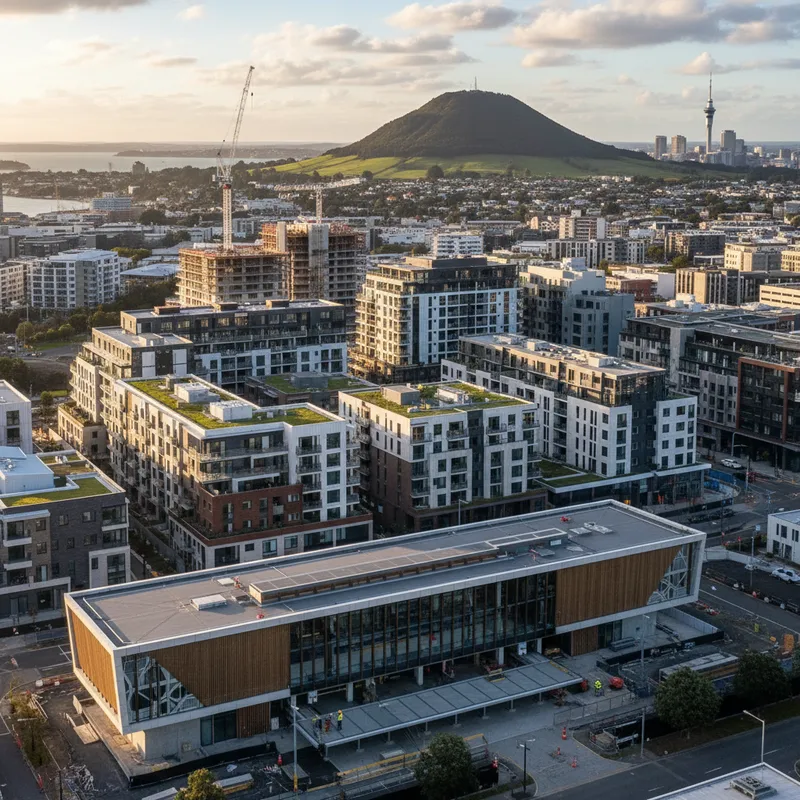
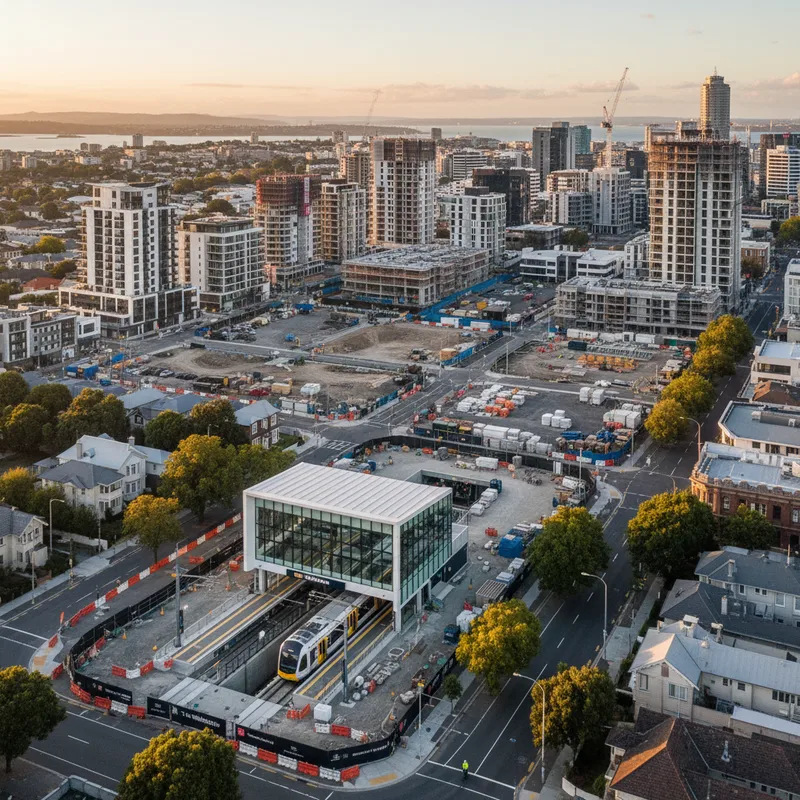
A huge and long-awaited housing opportunity in central Auckland is coming into sharp focus as the Te Waihorotiu City Rail Link (CRL) station on Wellesley Street nears completion. With the adjacent bus interchange now open and free of construction barriers, the potential for large-scale, transit-oriented development in the prized Maungawhau/Mount Eden precinct is becoming undeniable, yet questions remain about why it has taken more than a decade to progress plans for the prime land.
For years, Aucklanders have navigated the disruption of the CRL construction. Now, as the project nears its final stages, the conversation is shifting from transport inconvenience to the immense urban renewal it promises. The land surrounding the new station represents one of the most significant development opportunities in the city, offering the potential for thousands of new homes in a highly desirable and connected location.
The opening of the station will fundamentally reshape how residents live and commute, creating a vibrant hub that connects the CBD with city-fringe suburbs. However, the slow progress on a unified development plan for the area has drawn criticism, with the land’s potential remaining largely untapped while the crucial infrastructure was being built.
The scale of the opportunity
The Maungawhau/Mount Eden area is consistently ranked among Auckland's most sought-after suburbs. Its appeal lies in its unique blend of heritage character, green spaces, and proximity to the city centre. The suburb is renowned for its strong sense of community, bustling village atmosphere, and access to top-tier schools, including those in the coveted 'double grammar zone' that drives property values in surrounding suburbs like Epsom.
Developing housing directly integrated with the new CRL station aligns with successful urban planning strategies seen in major cities worldwide. This transit-oriented development (TOD) model focuses on creating compact, walkable communities that reduce reliance on cars and promote a more sustainable urban lifestyle. For Auckland, which continues to grapple with housing shortages and traffic congestion, such a project is not just an opportunity but a necessity.
The site’s significance is further elevated by its location at the foot of Maungawhau itself. As the highest volcanic cone on the Auckland isthmus, it is a dominant feature of the city’s landscape and a place of immense cultural and historical importance. Any development must therefore be thoughtfully planned to respect and enhance this unique setting.
Decade of delays raises questions
Despite the CRL project being on the horizon for many years, a definitive master plan for the surrounding precinct has been slow to emerge. The question of why it has taken over a decade to begin making concrete decisions on this prime spot continues to surface. The complexities of land ownership, zoning regulations, and the need for extensive public and iwi consultation have all contributed to the lengthy timeline.
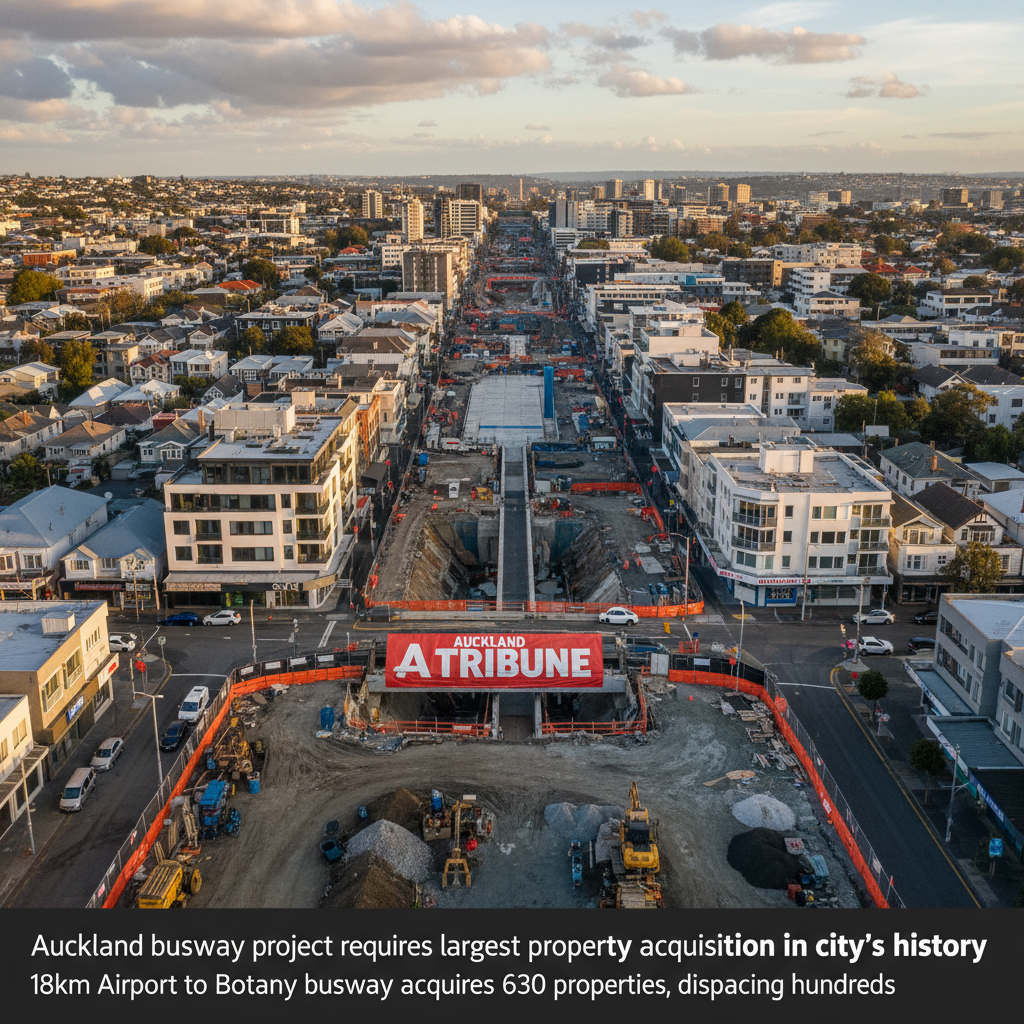
A critical aspect of the area’s future lies in its status as a Tūpuna Maunga, or ancestral mountain. The cone and its immediate surrounds are administered by the Tūpuna Maunga o Tāmaki Makaurau Authority, a co-governance body established to protect and manage the volcanic cones of Auckland. This requires a deeply collaborative approach, ensuring that any development honours the cultural and spiritual significance of Maungawhau for mana whenua. The drawn-out process mirrors the public’s perception of other major infrastructure works, including the Wellesley Street bus corridor, where progress at times appeared achingly slow. For a city in desperate need of housing, the delay in unlocking the potential of the Maungawhau site represents a significant missed opportunity that is only now being addressed as the CRL’s opening date looms, much like how flights at a new airport proved a hit months before takeoff.
Development risks in a challenging market
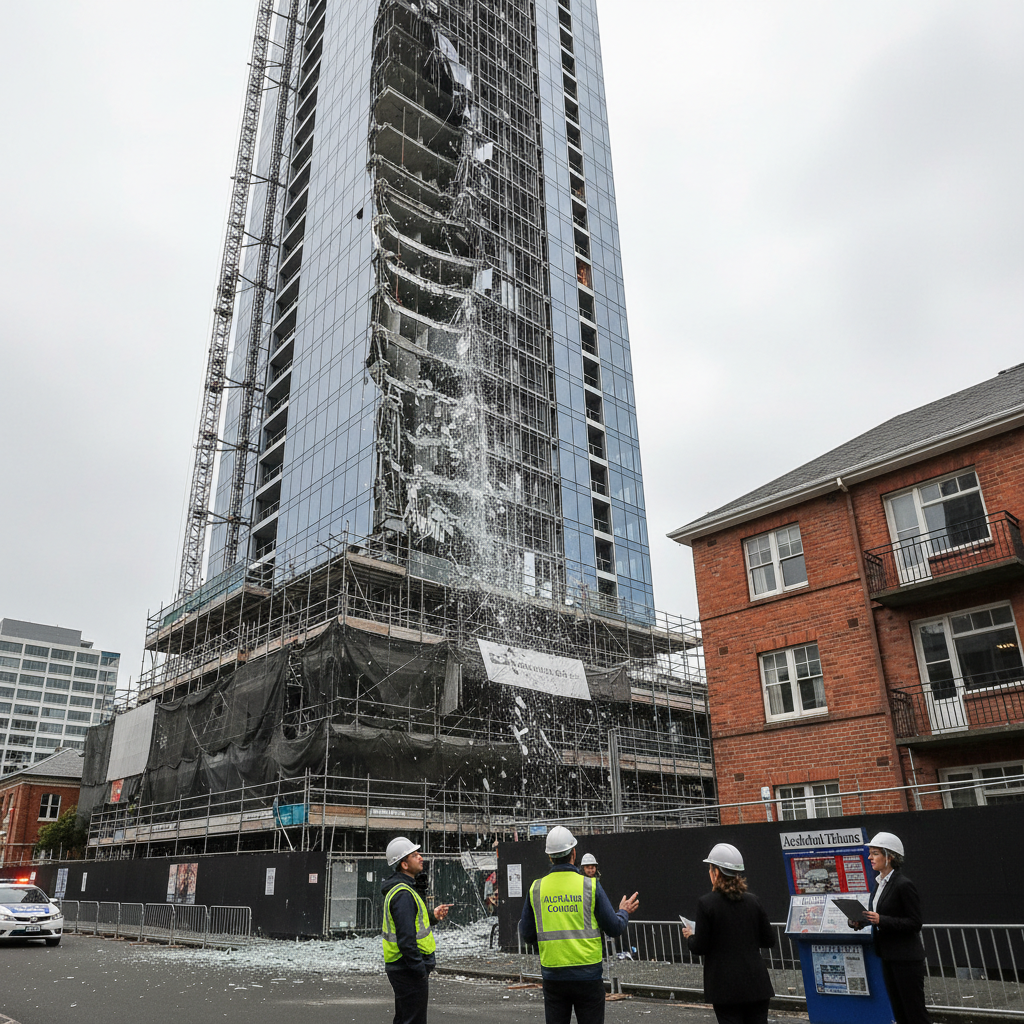
While the opportunity is clear, the path to delivering a new urban village is fraught with challenges, a fact underscored by recent events in Auckland’s construction sector. The liquidation of Longevity Construction, a firm associated with failed developer Anthony Corin, serves as a stark reminder of the financial precarity facing the industry.
The construction company was placed into liquidation on Monday following a court hearing where it was revealed that significant debts remained unpaid. The application, first heard in March 2025, was brought by supplier Korok Building Systems over a $50,000 debt. Other creditors included Mitre 10, which was owed $153,000, and the Inland Revenue Department.
The collapse of firms like Longevity Construction highlights the intense pressure on builders grappling with high material costs, labour shortages, and tight credit conditions. These market realities present a significant hurdle for any developer, even on a project with as much potential as Maungawhau. Delivering affordable, high-quality housing in this environment will require careful financial planning and strong partnerships, likely involving both the private sector and government agencies. This complex relationship between local and central government was recently highlighted in a dispute over a city deal.
A vision for a connected future
Looking ahead, the focus must be on creating a clear and actionable vision. The goal is not simply to build apartments, but to foster a thriving community. This involves planning for retail spaces, public amenities like libraries and parks, and pedestrian-friendly connections that link the station to the surrounding neighbourhood and the maunga itself. Such community hubs are vital, as demonstrated by the long-standing success of facilities like the Mossman Library in Australia.
Success will depend on a united effort from Auckland Council, Kainga Ora, the Tūpuna Maunga Authority, and private development partners. The imminent opening of the CRL station provides the final, unmissable impetus to push past the delays and finalise a master plan that will define this corner of Auckland for generations to come.
With trains set to run soon, the pressure is mounting to ensure that the land above the tracks delivers on its promise. The coming months will be critical in determining whether this once-in-a-generation opportunity can be realised, transforming a construction site into a vibrant new heart for one of Auckland’s most cherished suburbs. An unrelated recent issue with an Air New Zealand flight returned to Auckland highlights the importance of robust infrastructure across the region.