Overview
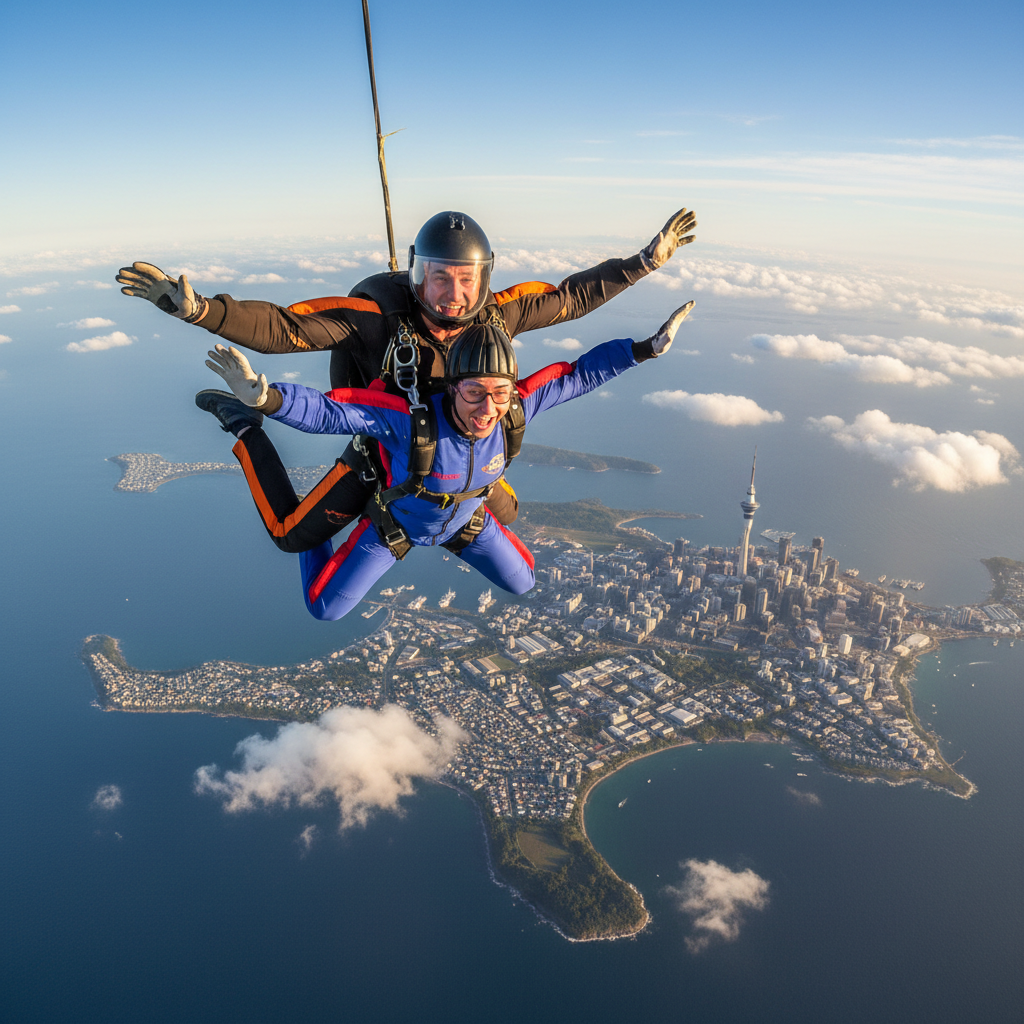
Tāmaki Makaurau Auckland is a city defined by its relationship with the sea, nestled on a narrow isthmus flanked by two spectacular harbours.
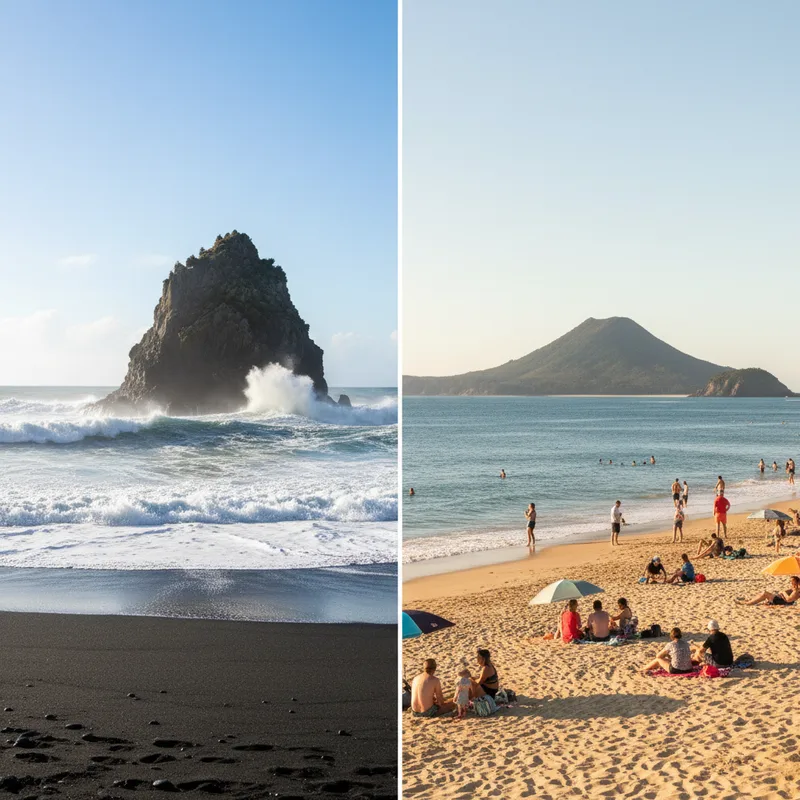
This unique geography blesses the region with an astonishing variety of beaches, from the wild, black-sand surf coast of the west to the tranquil, pohutukawa-fringed bays of the east.
Whether you're a surfer, a family looking for a safe swimming spot, or someone seeking a serene escape, Auckland's coastline has a perfect patch of sand for you.
The West Coast, facing the Tasman Sea, is renowned for its untamed, rugged beauty. These beaches, sculpted by powerful winds and waves, feature dramatic black iron sands, a legacy of the region's volcanic past.
In contrast, the East Coast beaches, bordering the Hauraki Gulf, offer calmer, sheltered waters, golden-white sands, and stunning views of offshore islands like Rangitoto.
This guide covers the best of both coasts, providing everything you need to know to explore Auckland's premier coastal destinations.
What to See & Do
Auckland's beaches offer a diverse range of activities beyond just swimming and sunbathing. Each coastline provides a unique set of experiences for visitors.
West Coast Highlights:- Surfing: The powerful breaks at Piha, Muriwai, and Te Henga (Bethells Beach) attract experienced surfers year-round. Always check conditions and be aware of strong currents.
- Wildlife Watching: Visit Muriwai Beach between August and March to see the impressive Ōtakamiro Point gannet colony, one of only three mainland gannet breeding sites in New Zealand.
- Photography: Capture the iconic Lion Rock at Piha, the dramatic sea stacks at Te Henga, or the vast, windswept landscapes of Karekare Beach, made famous by the film The Piano.
- Waterfall Chasing: A short walk from Karekare beach leads you to the beautiful Karekare Falls, a perfect spot for a refreshing dip in a freshwater pool.
- Safe Swimming & Family Fun: Beaches like Cheltenham in Devonport, Mission Bay, and Tāwharanui Regional Park offer calm, clear waters ideal for families with children.
- Kayaking and Paddleboarding: The sheltered bays of the Hauraki Gulf are perfect for exploring by kayak or stand-up paddleboard. Rent gear from providers at popular spots like Mission Bay or Takapuna.
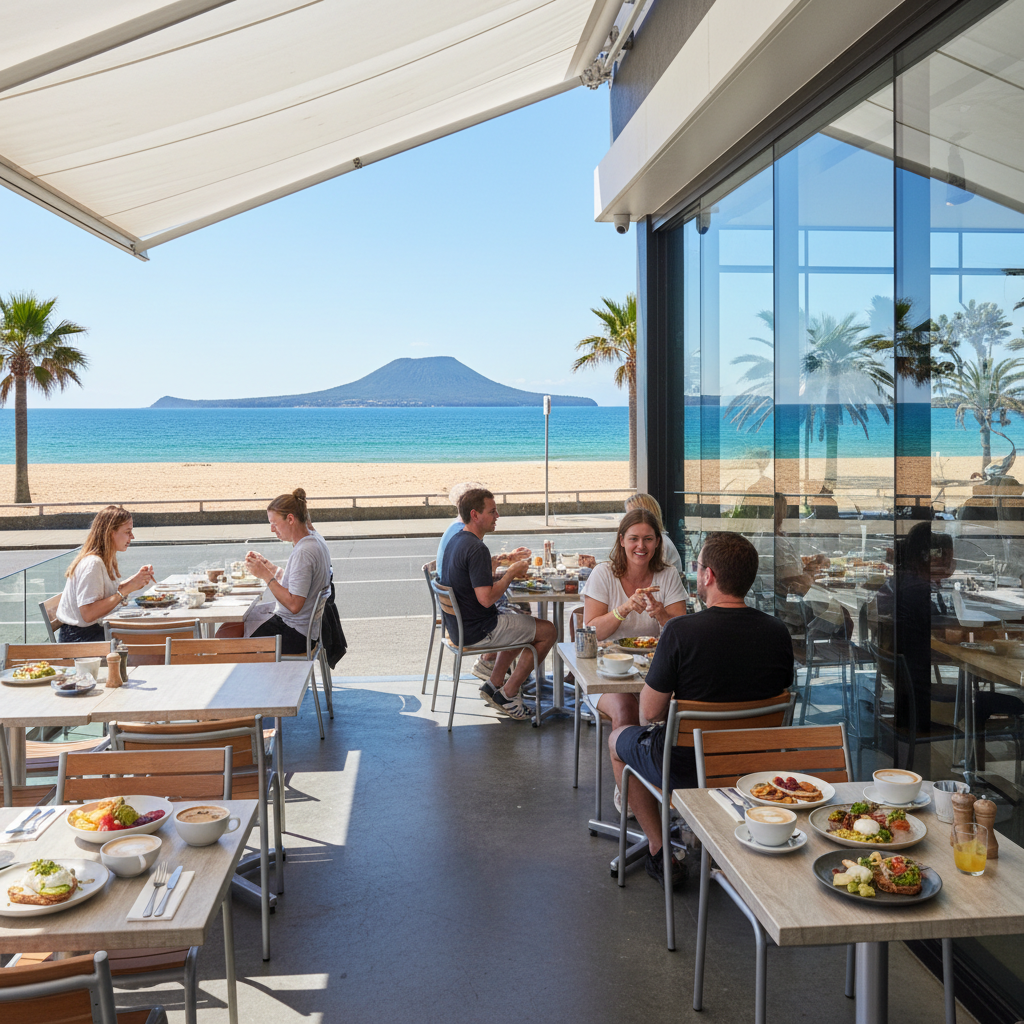
- Island Views: Many East Coast beaches, particularly Cheltenham and Takapuna, provide breathtaking views of Rangitoto Island's iconic volcanic cone.
- Snorkelling: The clear waters of Tāwharanui's marine reserve offer fantastic opportunities to see a variety of marine life.
Facilities & Amenities
Facilities vary significantly between the remote West Coast beaches and the more urban East Coast bays. Plan your visit accordingly.
- Toilets & Changing Rooms: Most popular beaches, including Piha, Muriwai, Tāwharanui, Mission Bay, and Takapuna, have public toilet blocks and changing facilities.
- Cafes & Food: Urban beaches like Mission Bay, St Heliers, and Takapuna are lined with cafes, restaurants, and ice cream shops. Piha also has a few local cafes. For more remote beaches like Karekare or Te Henga, it's essential to bring your own food and water.
- Playgrounds: Many family-friendly beaches, such as Browns Bay, Big Manly Beach, and Mission Bay, have excellent playgrounds located right by the sand.
- BBQ Facilities: Public barbecues are available for use at several regional parks and beaches, including Tāwharanui, Long Bay, and Big Manly Beach. These are free to use but are first-come, first-served.
- Lifeguards: Key surf beaches like Piha and Muriwai are patrolled by surf lifesavers during the busy summer months (typically from late October to Easter). Always swim between the red and yellow flags. Many calmer East Coast beaches are unpatrolled.
Getting There
Access to Auckland's beaches depends on their location. Urban beaches are well-serviced by public transport, while West Coast beaches generally require a car.
- By Car: The most convenient way to reach the West Coast beaches (Piha, Karekare, Muriwai) is by car. They are typically a 45-60 minute drive from downtown Auckland. Parking can be challenging on sunny weekends, so arriving early is recommended. Most East Coast beaches have ample parking, though popular spots like Mission Bay fill up quickly.
- Public Transport: Central and North Shore beaches are easily accessible via Auckland's bus and ferry network. Frequent buses run along Tāmaki Drive to Mission Bay and St Heliers. Ferries from downtown Auckland provide easy access to Devonport, from where you can walk to Cheltenham Beach.
- Cycling: The waterfront path along Tāmaki Drive is a flat, scenic cycle route from the city to Mission Bay, St Heliers, and beyond, making for a great day out.
Best Time to Visit
The best time to visit Auckland's beaches is during the summer months, from December to March, when the weather is warmest and the water is most inviting for swimming. This is also the busiest period, especially during school holidays.
For a quieter experience, consider visiting on weekdays or during the shoulder seasons of spring (September-November) and autumn (April-May). The weather can still be pleasant, and you'll encounter far fewer crowds.
For photographers, the West Coast beaches are particularly magical at sunset. For surfers, winter often brings the biggest swells, but conditions can be challenging. Always check tide times before visiting, as some beaches like Karekare are best explored at low tide.
History & Significance
Auckland's coastline holds deep cultural and historical significance. The region's volcanic headlands (maunga) and coastal areas were strategic sites for Māori, with many prominent beaches and headlands being former pā (fortified village) sites.
The names themselves, like Tāmaki Makaurau, speak to a history of occupation and connection to the land and sea.
The Waitākere Ranges, home to the wild West Coast beaches, are part of a significant Regional Park. This area is managed by Auckland Council and holds deep significance for the local iwi, Te Kawerau ā Maki. The coastline is a testament to the power of nature, with its unique black sands derived from the volcanic rocks of the Waitākere Ranges.
Walks & Trails
Many of Auckland's best beaches are gateways to stunning coastal walks.
- Tāwharanui Regional Park: Offers several loop trails ranging from 30 minutes to 3 hours, taking you through native bush, regenerating wetlands, and along pristine coastline. The Ecology Trail is an easy 1-hour walk perfect for families.
- Te Henga Walkway: Part of the Hillary Trail, this track runs from Bethells Beach to Muriwai. It's a more challenging cliff-top hike (approx. 4 hours one way) that rewards walkers with spectacular coastal views.
- Mercer Bay Loop Path: Near Piha, this is a relatively easy 1.3 km loop walk that offers some of the most dramatic coastal cliff scenery in the Waitākere Ranges.
- Takapuna to Milford Coastal Walk: At low tide, you can walk from Takapuna Beach, across fossil-fuelled lava flows and rock pools, all the way to Milford. This easy walk takes about 30-45 minutes one way.
Visitor Tips
- Swim Safely: The West Coast is notorious for its powerful rip currents. If you're not a strong swimmer, do not go in the water. If lifeguards are on patrol, always swim between the flags.
- Check the Tides: Access to some coves, walks (like the Takapuna-Milford walk), and beach areas is dependent on the tide. Check a tide chart before you go.
- Protect Your Feet: The black sand on the West Coast can get incredibly hot in summer. Be sure to wear jandals or sandals to avoid burning your feet.
- Leave No Trace: Pack out everything you pack in. Help keep Auckland's beaches beautiful by disposing of your rubbish correctly. Many regional parks have a pack-in, pack-out policy.
- Dog Access: Dog rules vary by beach and season. Generally, there are more restrictions during summer. Check the Auckland Council website for specific rules for each beach before you bring your furry friend.
- Sun Protection: The New Zealand sun is harsh. Always wear a hat, sunglasses, and high-SPF sunscreen, even on cloudy days.
,
,
,
,
,
,
,
,
,